

如何选择合适的移动式粉体气力输送系统?常规流程步骤详解
案例背景
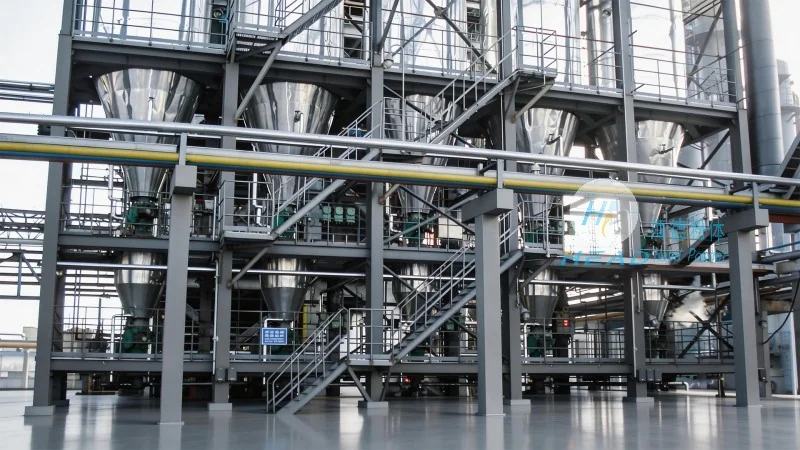
In modern industrial production, the handling of powdered materials is a critical link. Whether in the chemical, food, or metallurgical sectors, the efficiency and safety of material transfer directly impact production costs and product quality. Traditional mechanical conveyors, such as screw conveyors or bucket elevators, often face challenges with dust leakage, high maintenance requirements, and limited flexibility. To address these issues, pneumatic conveying technology has become the industry standard for bulk powder handling. Among the various solutions available, the mobile pneumatic conveying system has gained significant attention due to its unique adaptability. This article will provide a detailed explanation of the conventional flow steps for selecting a suitable system, helping enterprises make informed decisions.
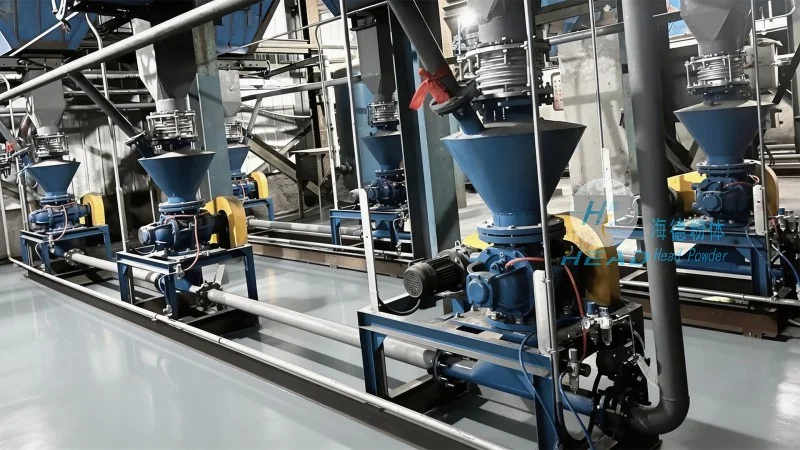
Core Advantages of Mobile Systems
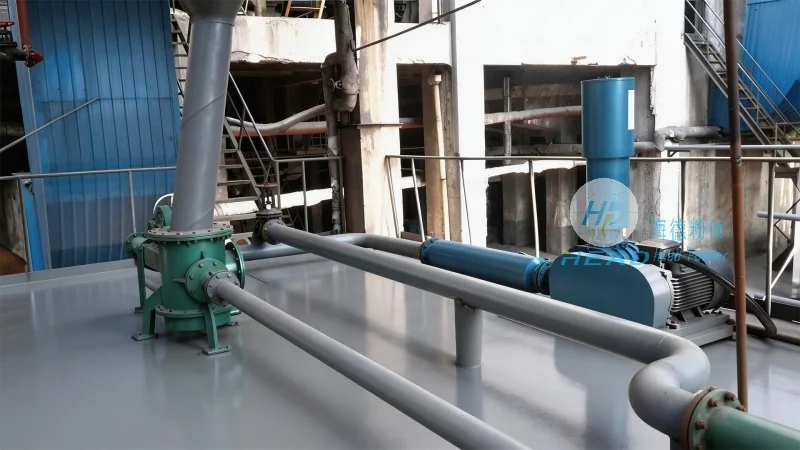
The mobile pneumatic conveying system air conveying equipment represents a significant evolution in powder handling technology. Unlike fixed installations, these systems are designed to be easily relocated, offering unparalleled flexibility for projects that require frequent changes in layout or temporary setups. The core advantage lies in its ability to transport powders through pipelines using air pressure, ensuring a completely enclosed process. This not only prevents environmental pollution caused by dust but also protects the product from external contamination. For facilities that experience seasonal production peaks or need to move production lines, a mobile solution minimizes downtime and capital expenditure on permanent infrastructure.
Step 1: Comprehensive Material Analysis
The first and most crucial step in selecting a pneumatic conveying system is a thorough analysis of the material properties. You cannot simply install a standard system without understanding what you are moving. The following factors must be evaluated:
- Particle Size and Distribution: The fineness of the powder determines the air velocity required. If the particles are too fine, the air velocity must be carefully controlled to avoid entrainment (carrying dust out of the system), which can cause blockages or excessive wear.
- Moisture Content and Stickiness: Hygroscopic materials or those with high moisture content tend to clump together. This can lead to pipe blockages in the conveying line. A system must be selected with appropriate drying capabilities or specific flow aids to handle sticky powders.
- Density and Flowability: Materials with low bulk density (like flour or starch) behave differently than those with high density (like cement). The equipment must be sized to handle the specific flow characteristics to ensure a steady, continuous flow.
- Chemical Properties: Corrosive or explosive powders require specialized materials for the pipeline and equipment, such as stainless steel or special linings, to ensure safety and longevity.
Step 2: Determining Technical Parameters
Once the material is understood, the next phase involves calculating the specific technical parameters required for the system. This is where the engineering design of the mobile pneumatic conveying system comes into play.
1. Transportation Distance and Height: The horizontal distance and vertical lift are the primary factors affecting pressure loss. Long-distance or high-elevation conveying requires a more powerful blower and a more robust piping structure. If the distance exceeds the standard capabilities of a standard blower, a booster system or a different conveying mode (e.g., dense phase vs. dilute phase) must be considered.
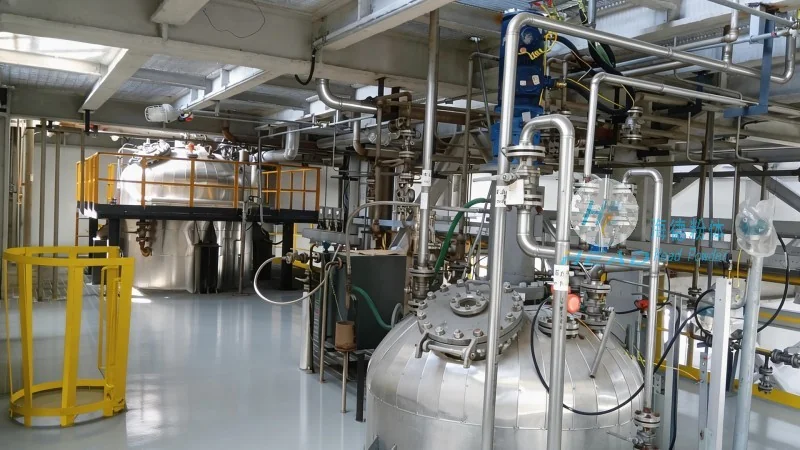
2. Production Capacity: You must determine the hourly or daily throughput required. A system designed for 5 tons per hour will be significantly different in size and power consumption than one designed for 50 tons per hour. Oversizing a system leads to higher energy costs, while undersizing it causes production bottlenecks.
3. Pipeline Layout: Although the system is mobile, the layout still matters. The number of bends in the pipeline increases resistance. A layout with fewer bends is more efficient. When planning the layout, consider the angle of the pipes to prevent material settling.
Step 3: System Layout and Flexibility
For a mobile system, the layout is not just about connecting pipes; it is about mobility and ease of setup. The equipment should be mounted on a skid or chassis that allows for easy movement between production sites.
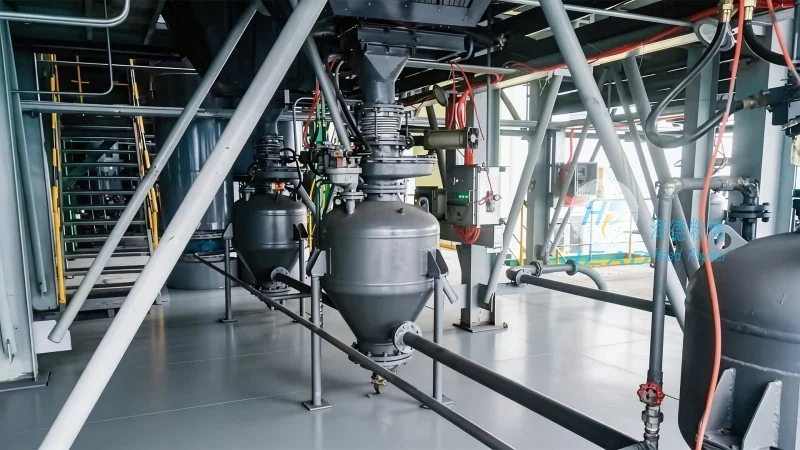
When designing the mobile pneumatic conveying system air conveying equipment, engineers must consider the power source. Most mobile units are designed to run on standard industrial electricity, but for sites without stable power, diesel-powered options are available. The control system should be centralized, often located on a control panel that is easy to access. This allows operators to start, s, and monitor the system remotely, ensuring safety and ease of operation regardless of where the equipment is stationed.
Step 4: Maintenance and Long-term Operation
Selection is not just about the initial purchase; it is about the total cost of ownership. A good system should be easy to maintain. Key components such as the filter, the rotary valve feeder, and the blower should be easily accessible for inspection and replacement.
Regular maintenance is vital for the longevity of the mobile pneumatic conveying system. This includes cleaning the filters to prevent pressure build-up, checking the wear of the pipeline, and lubricating the moving parts. A system designed with modular components allows for quick repairs, minimizing downtime during production.
Why Choose a Professional Manufacturer?
Choosing the right equipment requires expertise. A professional manufacturer understands the nuances of powder dynamics and can provide a customized solution based on your specific site conditions. Shandong Haide Powder Engineering Co., Ltd. is a leading enterprise in this field, dedicated to providing high-quality powder handling solutions.
Located in Jinan, Shandong, Shandong Haide Powder Engineering Co., Ltd. has extensive experience in the design and manufacturing of pneumatic conveying equipment. The company combines advanced technology with rigorous quality control to ensure that every unit delivered meets international standards. Whether you need a simple batch conveying system or a complex multi-point delivery network, their team of engineers can provide a comprehensive solution.
Contact Us for Your Project
Choosing the right pneumatic conveying system is a technical decision that requires professional guidance. If you are facing challenges in powder handling or planning a new production line, it is essential to consult with experts who understand the intricacies of the machinery. Shandong Haide Powder Engineering Co., Ltd. is ready to assist you.
For detailed consultation, equipment selection, and quotation, please contact our manager, Mr. Zhang. You can reach him directly at 156-6277-7102. Our team is committed to providing you with the most suitable mobile pneumatic conveying system air conveying equipment to boost your production efficiency.